Pressure builds when budgets are cut, and fewer resources are available to maintain the necessary vigilance to remain compliant with often complex and changing regulations.
Corporate risk can be caused by laxity, inattention, misconduct, unethical behavior, or even illegal activities by people and organizations in your supply chain. Often, these things are what happen when people are under pressure. They may feel pressure to bend rules to hit sales targets, or they may feel significant competitive pressure.
Listen to my interview in two acts with Travis Miller, CSO & General Counsel at Source Intelligence, and Dan Mogin, co-founding and managing partner of MoginRubin LLP, a leading boutique law firm that focuses on antitrust law and other complex business disputes. In Act 1, we discuss the conduct of a fictitious airline that is marketing itself as a green company, and its competitors are crying foul, and by that I mean suing them. In Act 2, a fictitious semiconductor manufacturer is allegedly using its considerable market power to trounce competitors. The fictitious scenarios involving these fictitious companies are as follows:
Act 1: Greenwashing by AirGreen Corp.
Commercial jets disproportionately spew high amounts of carbon into the atmosphere. There is no practical way to significantly reduce these harmful pollutants. Corporations are under pressure to be environmentally responsible and demonstrate they are genuinely embracing the ESG movement. When it comes to carbon neutrality, the FTC says companies should not make “broad, unqualified” claims that they are running green businesses without “reliable scientific evidence” that their carbon offsets will have a timely impact. AirGreen, a major yet fictitious air shipping company, launched a global ad campaign called Super Green Air, dubbing itself the first commercial airline to be carbon neutral. AirGreen hasn’t actually reduced harmful emissions from its flights. Instead, it has purchased carbon offsets, which means it paid to reduce the emissions from other sources, while not actually reducing its carbon footprint. AirGreen’s competitors have filed suits and complaints with the FTC, claiming that this is false advertising that gives AirGreen a competitive edge in the air shipping market.
Act 2: MegaTech Monopolizing Semiconductor Chips (starts at minute 47:47)
The global semiconductor industry makes products that run the world. They’re in PCs, large mainframes, smartphones, cable and internet equipment, electric cars, and wind turbines. The demand for silicon chips is enormous. These chips are manufactured by a dirty, environmentally unfriendly process. Their manufacture also relies on a “complex, dynamic and multidirectional global supply and services matrix” (aka supply chain). Recent clogs in that supply chain caused by the COVID pandemic and Russia’s invasion of Ukraine demonstrate that. When people think of monopolies, they think of big conglomerates that control huge markets, like AT&T and Microsoft. AT&T ruled over telephone communications without competition for years. They were “the phone company.” If you wanted assistance, their number was “0.” In the case of Microsoft, it controlled more than 95% of the PC operating system market. But monopolies can also mean dominance of one specific piece of one specific product, maybe even in a specific region. You could have a monopoly if you made all cell phones, or you could hold a monopoly if you made a component that makes all cell phones work. MegaTech is one such company, albeit a fictitious one. It makes the chip that makes your cable box work. In fact, they are the only maker of these chips. MegaTech has already been investigated and sued by the FTC. It has already agreed to stop anticompetitive conduct such as exclusivity arrangements with its customers. And, it has already broken that promise and is being investigated again. Some of its suppliers are considering major litigation, too.
We discuss these scenarios from the perspectives of in-house compliance and legal professionals, outside counsel specializing in competition law, and a journalist covering the legal industry.
Thanks for listening!
If you like what you hear, please give us a rating. You’d be amazed at how much that helps.
If you have questions for Tom or would like to participate, you can reach him at Editor@LitigationConferences.com.
Ask him about creating this kind of content for your firm — podcasts, webinars, blogs, articles, papers, and more.
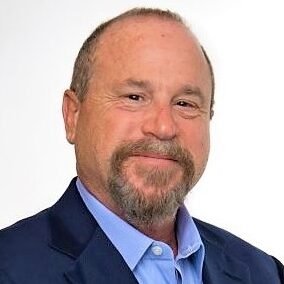
Tom Hagy
Litigation Enthusiast and
Host of the Emerging Litigation Podcast
LinkedIn
FILED UNDER: Regulations & Compliance
TAGS: Corporate Governance | Corruption | Ethics & Professional Responsibility | Risk Management
Our Guests

Your Host