Understanding War Risk Exclusions
This program examines how insurers draft, interpret, and litigate war risk exclusions. It also explains why specialty war and political risk products exist. Meanwhile, landmark decisions continue to define the line between covered and excluded losses.
Evaluating Coverage Gaps
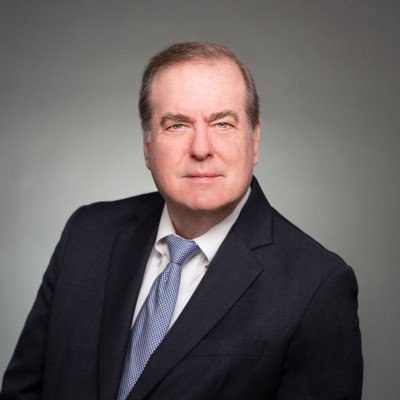
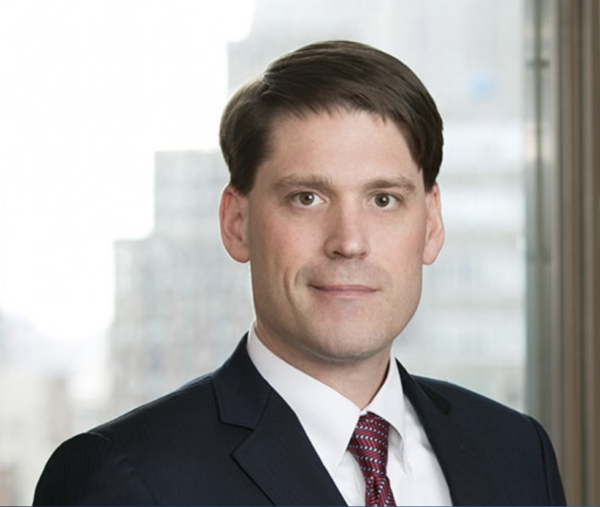
Robert M. Horkovitch and Richard W. Boone present policyholder and insurer perspectives. Together, they help counsel identify coverage gaps, evaluate exclusion defenses, and develop recovery strategies.
Standard property and casualty policies typically exclude war, warlike action, insurrection, and similar perils. In addition, many policies require direct physical damage. Therefore, precautionary shutdowns, rerouted cargo, denial of access, and civil unrest may create uninsured losses. Moreover, TRIA does not necessarily close these gaps.
Exploring Specialty Coverage
Next, the presenters map the specialty insurance market. Available products include Political Risk, Political Violence, Terrorism, and War Risk policies. The discussion also covers business interruption, contingent business interruption, denial-of-access, and loss-of-attraction extensions.
Reviewing Emerging Disputes
Finally, Robert and Richard address policy interpretation principles and controlling case law. They also explore cyber war disputes. In addition, the program reviews specialized coverage issues affecting aviation and marine claims.
About Our Presenters
Robert M. Horkovich is a Managing Shareholder at Anderson Kill, where he is a nationally recognized insurance recovery attorney and Chambers USA–ranked leader since 2005. He has recovered over $8 billion for policyholders and secured landmark jury verdicts and state Supreme Court decisions.
He was inducted into Benchmark Litigation’s Hall of Fame in 2025 and is a former USAF JAG Corps Captain and Special Assistant U.S. Attorney.
Rich Boone focuses his practice on a wide range of corporate, executive and professional liability matters as both coverage and defense counsel. Rich has appeared on behalf of insurers, entities and individuals before federal and state courts throughout the United States at both the trial and appellate levels.
Rich also has extensive experience in resolving legal issues prior to litigation, which includes everything from monitoring sensitive and complex insurance coverage matters to representing clients in a variety of federal, state and internal investigations. Rich has also advised numerous established and startup companies regarding corporate governance matters and currently serves as a director or adviser on several corporate boards.
Key Learning Points
- Burden and construction favor the insured. Under all-risk policies, the insurer must prove the exclusion’s application by proximate cause; exclusions must be clear and specific and are construed against the drafter.
- The sovereign-actor requirement controls. Pan Am v. Aetna, Holiday Inns v. Aetna, and Universal Cable v. Atlantic hold that “war” and “warlike operations” require hostilities between de facto governments; non-state actor violence falls outside the exclusion.
- Four recurring issues drive outcomes. Definition of “war,” actor status, attribution (acute in cyber), and proximate causation versus broader “arising out of” language.
- Cyber reshaped the doctrine. After NotPetya (~$10B in damages), Merck v. ACE American confined the “hostile or warlike action” exclusion to traditional warfare, prompting the Lloyd’s mandate and LMA model clauses requiring explicit state-backed cyber exclusions.
- Aviation and marine stakes are substantial. Auto-termination, short-notice cancellation, and listed-area premiums govern these lines; Ukraine aircraft claims (>$13B) and Hormuz premium surges illustrate the exposure.
- Characterization decides coverage. Whether an event is terrorism, war, or another excluded peril often determines the result, making policy wording and causation analysis dispositive.
- Recovery is a discipline. Scrutinize definitions and exclusions, report risks and losses timely, test the merits of denials, and pursue recovery persistently.
FILED UNDER: Insurance Law
TAGS: Aviation & Maritime Law|Business Interruption|Commercial Litigation|Exclusions|Insurance Coverage

Available now to CeriFi LegalEdge subscribers. Don’t subscribe? Don’t despair. Use code HB20 for 20% off. Or, HBSub20 for 20% off a full solo subscription. While supplies last.
Presenters

Tom Hagy is host and producer of the Emerging Litigation Podcast, now approaching its 120th episode with more than 15,000 downloads, along with thousands of additional views on the HB Litigation News YouTube channel. He edits a litigation blog that ranked as the most read in its category on JD Supra in 2025 and regularly writes about emerging legal issues for the HB website.